

Navigating the Daily Grind: Practical Strategies for Workplace Wellbeing
Table of Contents
Navigating the Daily Grind: Practical Strategies for Workplace Wellbeing
We all know that familiar tightening in the chest on a Sunday evening or the sheer exhaustion that hits by Wednesday afternoon. In a world that glorifies "hustle culture", it is easy to feel like you are constantly running just to stand still. You are likely juggling deadlines, managing endless notifications and trying to maintain some semblance of a personal life. If you feel like your emotional battery is constantly flashing red, you are certainly not alone.
At Mellowed, we believe that life is hard enough without your job adding unnecessary weight to your shoulders. Workplace wellbeing isn't about adding more to your to-do list; it is about softening the edges of your day and finding small moments of stillness amidst the chaos. Whether you are an overwhelmed professional seeking a soft landing or simply looking to prevent burnout, this guide offers practical, gentle strategies to help you navigate the daily grind with a little more ease. At Mellowed, we offer a range of products and resources for stress management to support your journey towards a calmer work life.
Feeling overwhelmed at work? Understanding the signs of stress
Before we can address the heavy load you are carrying, we need to understand what it looks like. Stress is not just "being busy". It is a physical and emotional response that happens when the demands of your job exceed your resources to cope. It is important to distinguish between the motivating pressure of a new project and the chronic distress that grinds you down.
Workplace stress often manifests in ways we might dismiss as just "having a bad week". However, recognising these signs is the first step towards burnout recovery and reclaiming your balance.
Cognitive and Emotional Signs
You might notice your mind feeling like a browser with too many tabs open. Difficulty concentrating, "zoning out" during meetings or constantly worrying about deadlines are common cognitive signs. Emotionally, you may find yourself feeling irritable or snapping at colleagues over minor issues. That creeping sense of apathy or dread before logging on in the morning is a clear signal that your nervous system is overloaded.
Physical and Behavioural Signs
Your body often whispers before it screams. Chronic fatigue that sleep doesn't fix, tension headaches or a clenched jaw are physical manifestations of held stress. You might also notice changes in your behaviour, such as procrastinating on important tasks or withdrawing from social interactions with your team. These aren't personal failings; they are protective mechanisms your body uses when it is experiencing sensory overload.
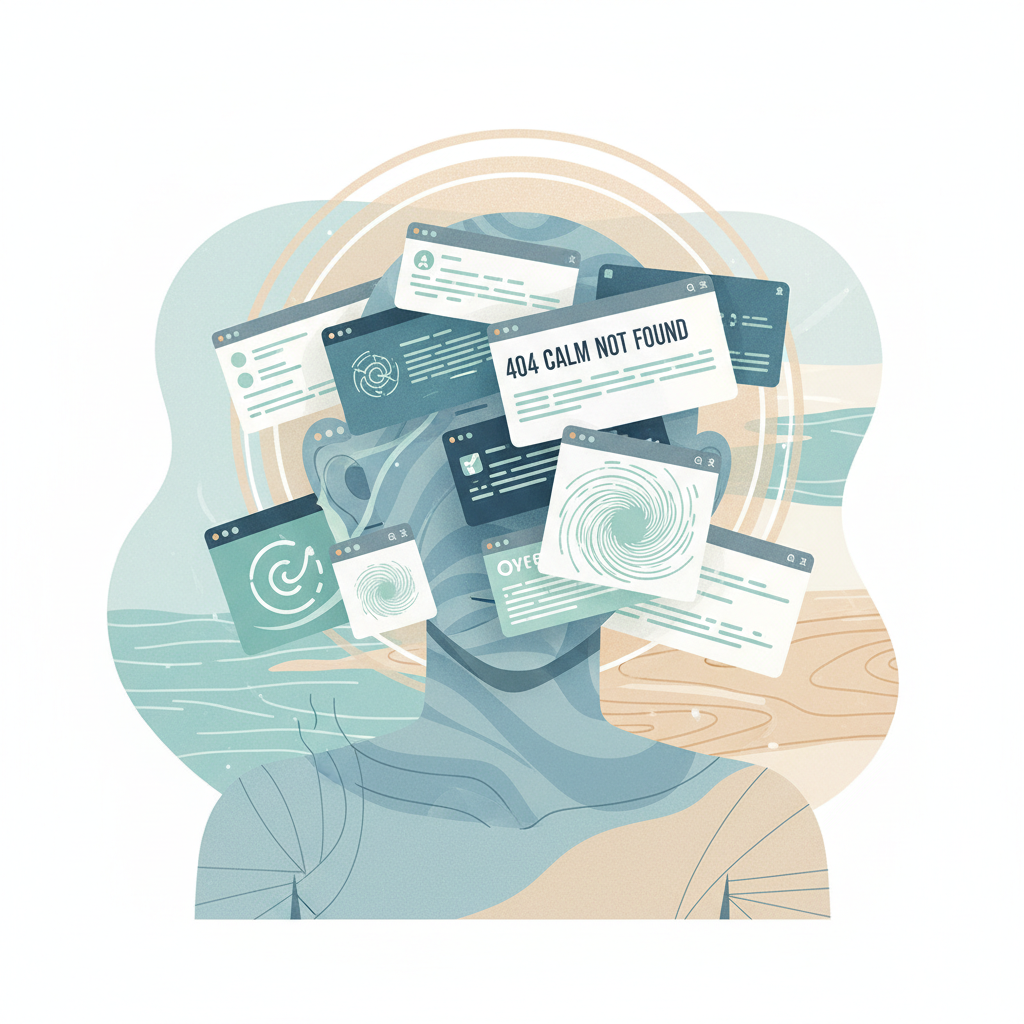
If these symptoms feel familiar, remember that this is not just a rough patch. Unchecked stress can lead to burnout, characterised by exhaustion, cynicism and reduced efficacy. Acknowledging this isn't admitting defeat. It is the brave act of listening to yourself.
Simple techniques for managing stress in the workplace
When the pressure mounts, you need immediate, accessible tools to reset. You don't need a yoga mat or an hour of silence to find relief. These grounding techniques and mindfulness activities act as a "Midday Anchor", helping you step out of the "fight or flight" response and back into the present moment.
The Power of Breath
Your breath is your most portable tool for calm. The 4-7-8 technique is a powerful circuit breaker for anxiety. Simply inhale through your nose for 4 seconds, hold that breath for 7 seconds and exhale slowly through your mouth for 8 seconds. This rhythm signals your parasympathetic nervous system to lower your heart rate and soften physical tension.
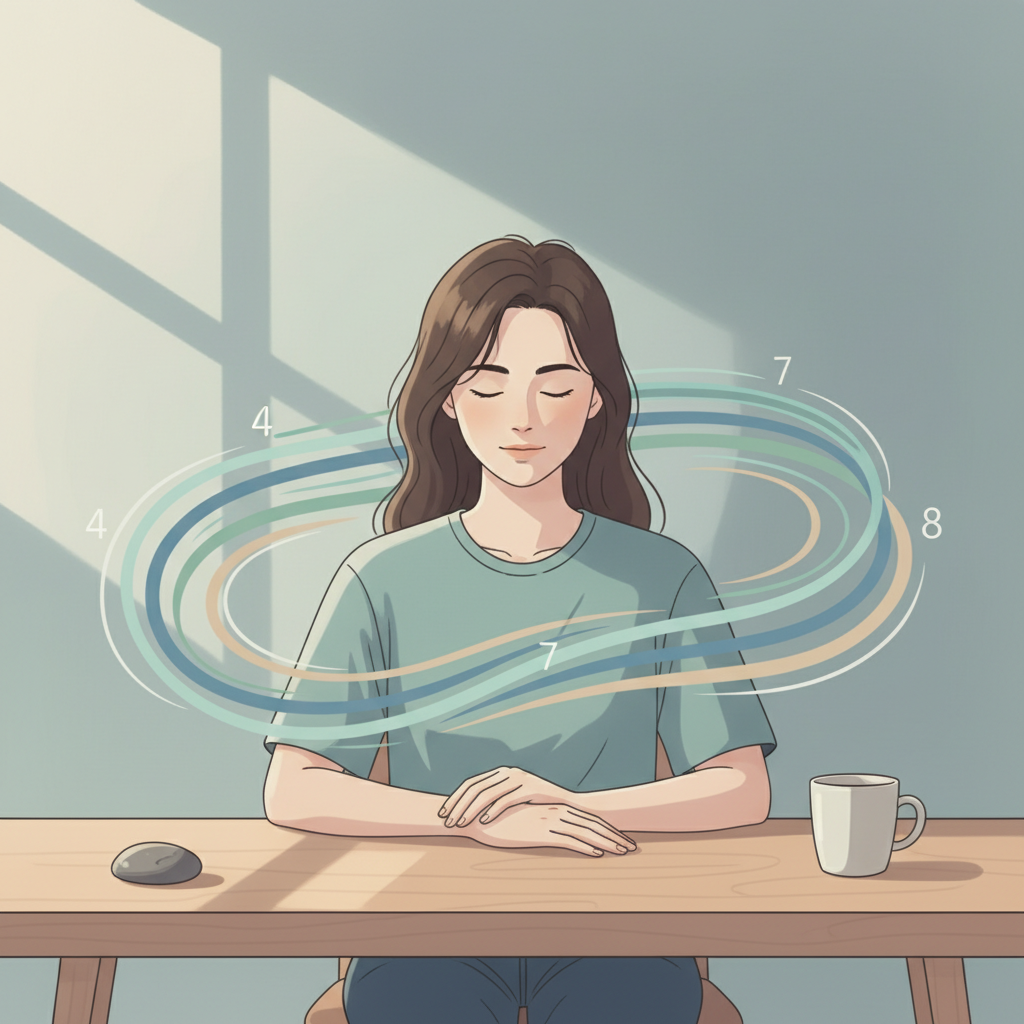
Alternatively, try Box Breathing. Inhale for 4, hold for 4, exhale for 4 and hold for 4. Visualising drawing a square as you breathe can help focus a racing mind.
Grounding in the Present
When your thoughts are spiralling into the future, use the 5-4-3-2-1 technique to anchor yourself. Acknowledge 5 things you see, 4 things you feel, 3 things you hear, 2 things you smell and 1 thing you can taste. This sensory checklist pulls you out of anxious loops and back into your body.
Structured Focus
Sometimes stress comes from the sheer volume of tasks. implementing the Pomodoro Technique – working for 25 minutes followed by a 5-minute break – can make large projects feel manageable. Pair this with time blocking, where you dedicate specific hours to specific tasks, to reduce decision fatigue.
Creating a calmer workspace: Products and practices for a mellowed office environment
Your environment plays a massive role in how you feel. A chaotic, noisy desk can contribute to a chaotic, noisy brain. By optimising your physical and digital space, you can create a sanctuary that supports focus rather than fracturing it.
Soften Your Surroundings
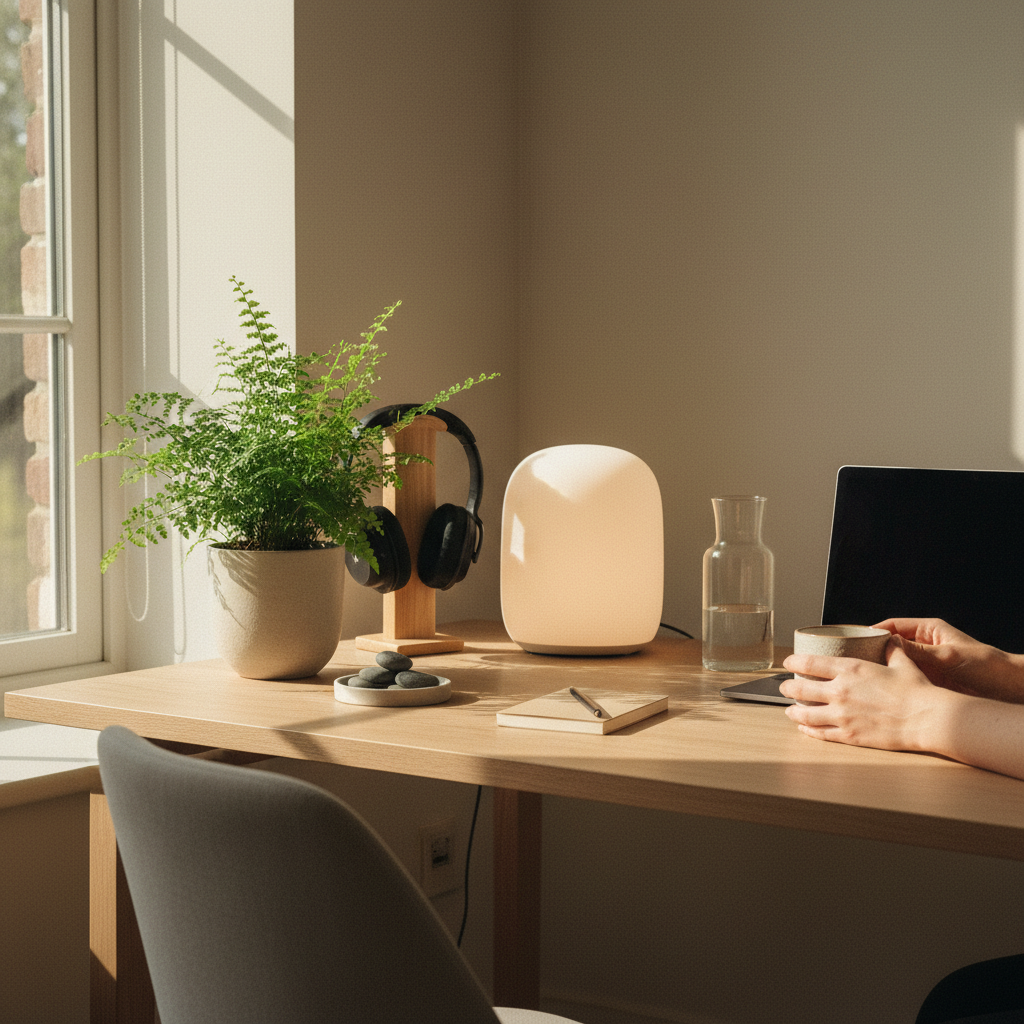
Bring a touch of nature inside. The concept of biophilia suggests we have an innate need to connect with the natural world. A simple low-maintenance plant like a snake plant or pothos can help reduce stress and improve your connection to nature. Lighting is equally crucial. Harsh overhead strip lighting is a recipe for eye strain. If possible, maximise natural light or use a SAD lamp to regulate your energy levels.
Control the Noise
Auditory distractions are a major source of stress in open-plan offices or busy homes. High-quality noise-cancelling headphones or discreet earplugs can be a saviour for the neurodiverse individual or anyone sensitive to sound. Playing ambient sounds like rain or soft café noise can be less distracting than music and helps mask disruptive chatter.
Digital Decluttering and Detox
Your digital environment deserves as much care as your physical one. A cluttered desktop creates visual noise that taxes your brain. Take time to organise files and choose a calming wallpaper. More importantly, practise a mini digital detox by managing your notifications. Constant pings keep you in a state of high alert. Turn off non-essential alerts and check emails at designated times to reclaim control over your attention.
Prioritising your mental wellbeing: Building resilience against work-related stress
Coping with stress is essential, but building resilience is how we create long-term balance. Resilience isn't about being unbreakable; it is about your ability to adapt and bounce back. It involves cultivating a mindset and lifestyle that protects your energy.
Shift Your Mindset
Adopting a growth mindset allows you to view challenges as opportunities to learn rather than threats to your competence. Be kind to yourself in this process. Self-compassion means treating yourself with the same warmth you would offer a struggling friend. When things go wrong, remind yourself that mistakes are human. Focus on your locus of control – direct your energy towards your own actions and responses, rather than worrying about company decisions you cannot change.
The Foundation of Sleep Hygiene
You cannot pour from an empty cup. Sleep hygiene is perhaps the single most critical factor in emotional regulation. Lack of sleep lowers your threshold for stress, making minor annoyances feel like major crises. Establish a consistent evening routine that signals to your body it is time to wind down. This might involve a warm cup of herbal tea, a weighted blanket or simply avoiding screens for an hour before bed.

Disconnect to Reconnect
Finally, master the art of psychological detachment. To truly recover from the daily grind, you must be able to switch off. Set a firm end-of-day time and stick to it. Engage in hobbies that have nothing to do with your job. Whether it is a brisk walk to burn off adrenaline or a creative pursuit, these boundaries protect your peace and ensure you can return to work refreshed.
Work will always have its demands, but by integrating these strategies, you can navigate the day with a little more grace. Remember to breathe, be kind to yourself and take it one moment at a time.